
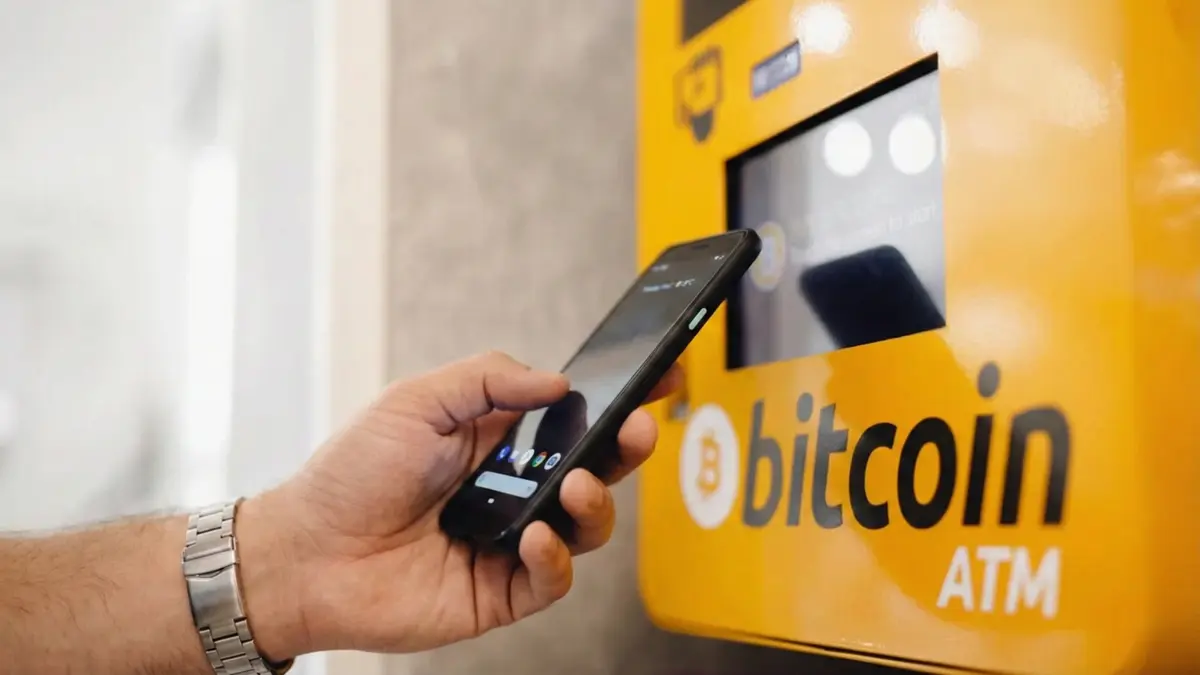
Crypto ATM’s Days in America May Be Numbered Amid Rising Scams
🔑 Key Takeaways
- Crypto ATM fraud is rising rapidly in the U.S., with scammers exploiting the irreversible nature of crypto transactions to target unsuspecting users, especially older adults.
- Lawmakers and regulators are stepping in, proposing stricter rules, transaction limits, clearer warnings, and, in some cities, outright bans on crypto ATMs.
- The United States remains the global hub for crypto ATMs, but machine growth has slowed as regulatory pressure and public concern increase.
- High fees and limited consumer protections make crypto ATMs riskier than traditional exchanges, particularly for first-time users.
- Local governments are taking the lead, with city-level bans and state regulations emerging faster than federal action.
- Crypto ATM operators may be forced to adapt or exit, as compliance costs rise and tighter oversight becomes unavoidable.
- Crypto ATMs are unlikely to disappear entirely, but their role in the U.S. crypto ecosystem may shrink or fundamentally change under new regulations.
The Crypto ATM’s Days in America May Be Numbered as Scams Rise and Regulators Move Toward Tighter Controls
The once-novel idea of converting cash to Bitcoin and other digital assets at physical kiosks—popularly known as crypto ATMs—is facing a turning point in the United States. Once celebrated for bringing easy access to cryptocurrency, these machines now find themselves under intense regulatory and public scrutiny as scam losses skyrocket and lawmakers rush to act.
Here’s what’s behind this shift, what it means for the industry, and where things might be headed.
📉 A Rising Problem: Crypto ATM Fraud in Numbers
Over the past year, fraud involving Bitcoin and crypto ATMs has surged dramatically in the U.S., prompting concern from regulators, lawmakers, and consumer advocates.
Key figures:
| Metric | Value | Source |
|---|---|---|
| Estimated fraud losses in 2025 | ~$333 million | aol.com |
| Percentage of global crypto ATMs in the U.S. | ~$240 million | ground.news |
| Percentage of global crypto ATMs in U.S. | ~80% | ground.news |
| Number of scam victims reported | ~10,000+ | aol.com |
These trends show that scams using crypto ATMs have more than doubled in recent reporting periods, with fraudsters exploiting the instant-conversion nature of these machines.
🧠 Why Crime Happens at Crypto ATMs
Unlike traditional ATMs linked to banks, crypto ATMs convert cash directly into digital assets, which are then sent to a crypto wallet address. Once that transaction is made, it’s irreversible—a fact scammers leverage ruthlessly.
Common scam vectors include:
- Government impostor scams: Victims are told they owe fines and must pay via Bitcoin.
- Tech support or emergency scams: People are convinced they must send money via crypto to resolve a fake urgent problem.
- Targeting of older adults: Studies show adults 60+ are particularly vulnerable to these tactics.
These schemes exploit urgency, confusion about crypto technology, and the irreversible nature of blockchain transactions—a combination that yields big losses for victims.
🇺🇸 Regulatory Backlash: From Rules to Bans
The sheer volume of fraud has spurred local, state, and federal action across the U.S.
🏙 City-Level Bans
- Spokane, Washington, made headlines by banning crypto ATMs entirely, forcing machine removals amid rising scams.
- Other cities are considering similar measures as concern spreads.
🏛 State and Federal Proposals
Lawmakers have introduced or debated several measures to rein in crypto ATM misuse, including:
- Transaction limits and fee caps at kiosks.
- Requirements for clear fraud warnings and signage.
- Proposed federal legislation, like the Crypto ATM Fraud Prevention Act, which would set spending limits and require refunds for scam victims who report incidents in time.
Advocacy and Consumer Protections
Groups such as AARP have actively pushed states to adopt laws protecting older adults from crypto kiosk scams—advocating transaction caps, mandatory risk disclosures, refund policies, and operator licensing.
🧩 Chart: Timeline of Key Crypto ATM Crackdowns
2023 ─ Crypto ATMs proliferate rapidly across U.S.
2024 ─ First reports of increasing fraud tied to BTMs
2025 Q1 ─ Proposed Crypto ATM Fraud Prevention Act introduced
2025 H1 ─ FBI reports $240M+ in scam losses
2025 Q4 ─ Spokane bans crypto ATMs; other cities consider bans
2026 Q1 ─ Federal + state regulators push stricter rules
📊 The Current Landscape
Despite the challenges, the U.S. still hosts the world’s largest crypto ATM network, with tens of thousands of machines installed nationwide. But recent trends reveal stagnation or even contraction in this sector as uncertainty grows.
Pros & Cons of Crypto ATMs
| Benefits | Risks |
|---|---|
| Quick cash-to-crypto access | High fees and hidden costs |
| Useful for travelers or cash-dependent users | Irreversible transactions |
| Simple for beginners | Highly attractive to scammers |
| Widely distributed geographically | Weak identity checks in many machines |
🛡 What Regulators Want
The federal approach aims to balance innovation with safety:
- Stronger identity and fraud monitoring at ATMs.
- Better reporting and compliance standards for operators.
- Limits on transaction values to mitigate large losses.
- Education campaigns to inform the public about scam warning signs.
This mirrors broader trends in U.S. virtual currency law, where agencies like FinCEN already classify crypto ATM operators as money service businesses subject to reporting and anti-money-laundering rules.
What This Means for the Future
Crypto ATMs may not disappear entirely, but their role in the U.S. payment and financial ecosystem is clearly evolving:
✅ More regulation is coming. Lawmakers are doubling down on consumer protections.
✅ Operators will need to adapt. Compliance and stronger safeguards may become mandatory.
✅ Public trust needs rebuilding. Fear of scams remains a major barrier to mainstream use.
As legislators continue crafting rules and cities weigh bans, the narrative around crypto ATMs is shifting—from convenient access points to potential liabilities that need serious governance.
Frequently Asked Questions (FAQs)
What is a crypto ATM?
A crypto ATM is a physical kiosk that allows users to buy (and sometimes sell) cryptocurrencies like Bitcoin using cash or a debit card. Unlike bank ATMs, crypto ATMs connect directly to a blockchain wallet rather than a traditional bank account.
Why are crypto ATMs under scrutiny in the U.S.?
Crypto ATMs are increasingly linked to scams and fraud. Criminals often pressure victims to send money through these machines because transactions are fast and irreversible, making recovery nearly impossible once funds are sent.
Are crypto ATMs being banned in the United States?
Some cities have already banned crypto ATMs, while others are considering restrictions. At the state and federal level, regulators are pushing for stricter rules rather than a nationwide ban, but local crackdowns are becoming more common.
Who is most at risk of crypto ATM scams?
Older adults are among the most frequently targeted groups. Scammers often impersonate government agencies, banks, or tech support services to pressure victims into making urgent payments through crypto ATMs.
Are crypto ATM transactions safe?
While the machines themselves are legal, transactions carry higher risks than using regulated crypto exchanges. High fees, limited identity checks, and irreversible transfers make crypto ATMs more vulnerable to misuse.
What changes are regulators proposing for crypto ATMs?
Proposed measures include transaction limits, fee transparency, mandatory scam warnings, refund policies for reported fraud, and stronger compliance requirements for ATM operators.
Will crypto ATMs disappear completely in the USA?
Crypto ATMs are unlikely to disappear entirely, but their growth in the U.S. may slow significantly. Increased regulation could reduce the number of machines and reshape how they operate.