


🔑 Key Takeaways
✔️ Verified holdings of Venezuela (publicly tracked) are around 240 BTC — tiny compared to the claimed 600,000.
✔️ Rumored figures like 600,000 BTC remain speculative and unproven.
✔️ There is no on-chain proof that Venezuela controls a Bitcoin stash worth tens of billions.
✔️ Legal claims of asset seizure hinge on identification and jurisdiction, not rumor alone.
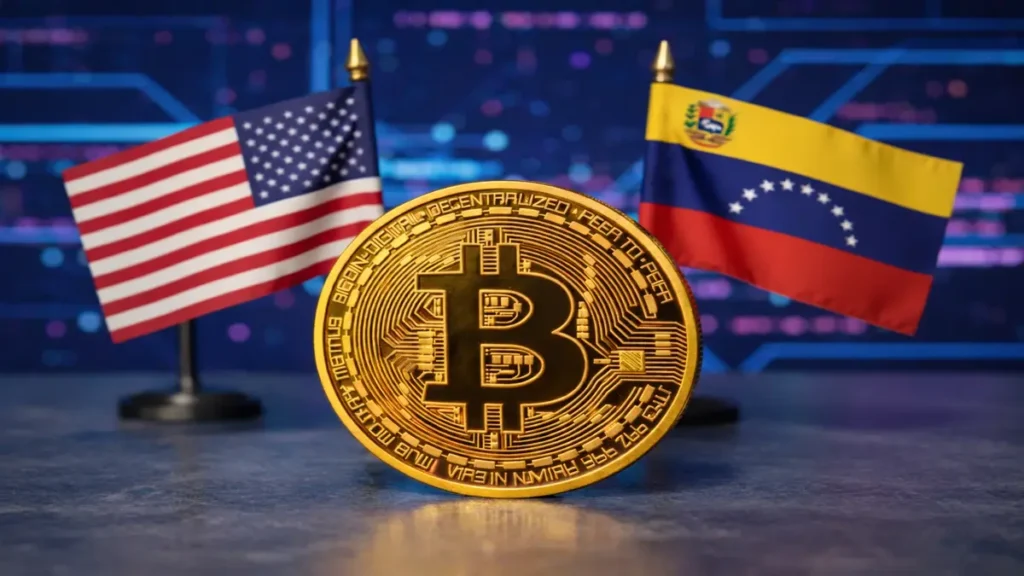
Allegations of a Venezuelan 600,000 Bitcoin shadow reserve face scrutiny, with analysts citing a lack of on-chain proof and raising questions about potential U.S. seizure attempts.
The past week has seen a surge of headlines in the cryptocurrency ecosystem about Venezuela allegedly holding 600,000 Bitcoin (BTC) — a stash worth roughly $60 billion at current market prices. But how much of this story is rooted in verifiable data, and how much do geopolitics and speculation drive rumour? This article breaks down the facts, narratives, and uncertainties surrounding this explosive claim.
Table of Contents
📊 At a Glance: Official Data vs Rumored Figures
| Source / Tracker | Reported BTC Holdings | Verification Level |
|---|---|---|
| Public blockchain trackers (e.g., Bitcointreasuries) | ~240 BTC (~$22M) | High (on-chain visible) |
| Rumored “shadow” reserve claims | 600,000 BTC (~$60B) | Unverified / speculative |
| Blockchain intelligence firms | No public proof of large holdings | Supported by multiple on-chain analysts |
Data compiled from public reports and industry analysis.
🧾 Where the 600,000 BTC Claim Came From
The rumor gained traction in the context of global headlines tied to the U.S. capture of Venezuelan President Nicolás Maduro. Some investigative reports and intelligence leaks suggested that Venezuela may have quietly amassed a massive Bitcoin reserve over the years as a means to circumvent international sanctions and diversify its assets.
Narratives explaining how this hypothetical stash could have been accumulated include:
- Gold sales converted into Bitcoin — claims that gold exports were swapped for Bitcoin.
- Oil deals and stablecoin settlements converted to BTC — Venezuela is selling oil or engaging in crypto settlements abroad.
- Mining equipment confiscation — alleged seizure and use of mining equipment by state actors.
However, none of these theories is backed by transparent, on-chain evidence linking specific wallets to the Venezuelan state.

🤔 What the Data Actually Shows
Tickers and On-Chain Trackers
Public resources like Bitcoin Treasuries track known institutional and state holdings. According to them:
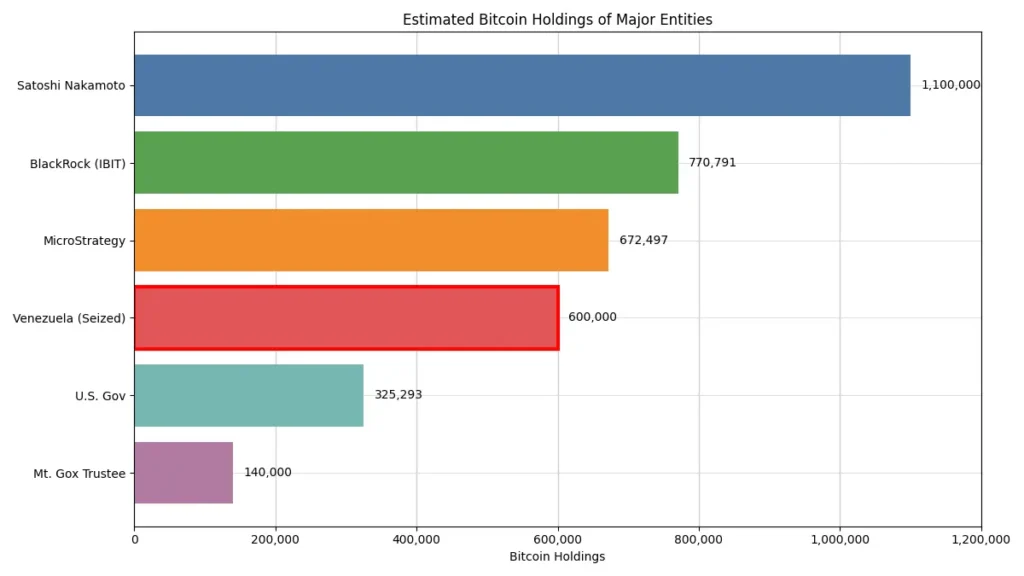
- Venezuela’s estimated BTC holdings are close to 240 BTC, which is a small fraction of the cryptocurrency’s global supply.
- This figure is orders of magnitude lower than the rumored 600,000 BTC.
This stark contrast highlights the gap between speculation and verifiable holdings.
🔍 Why Analysts Are Skeptical
Blockchain analysts and researchers have pointed out several issues with the large stash claim:
- No public on-chain footprints tie wallets with hundreds of thousands of BTC to Venezuela or state-controlled entities.
- Estimations often rely on indirect indicators or narratives rather than direct blockchain data.
- Some of the alleged sources, such as gold conversions, lack verifiable transaction trails.
Mauricio Di Bartolomeo (co-founder of crypto service Ledn and a Venezuela native) has publicly dismissed the rumors, stating that claims about massive holdings are not credible and lack any clear blockchain evidence.
⚖️ Legal and Geopolitical Implications
Another layer to this story revolves around whether such a stash, if it existed, could be seized by external powers — especially the United States. Some articles argue that:
- Without verified wallet access or legal grounds tied to criminal proceeds, even confirmed BTC holdings would not be easily seized.
- U.S. legal jurisdiction over foreign sovereign assets is complex, and courts generally only act on clearly linked illicit proceeds.
These factors mean that the mere existence of Venezuelan Bitcoin does not automatically translate into a legal or strategic windfall for any nation.
📉 Market Impact — Real or Imagined?
Despite the lack of confirmation on the 600,000 BTC figure, speculation alone has already influenced markets:
- Bitcoin prices moved toward new resistance levels during heightened news cycles tied to Venezuela and U.S. actions.
- Traders and investors often react to perceived supply shocks even without concrete supply data.
This phenomenon highlights how narratives can impact sentiment, sometimes independently of verified facts.
🧾 Conclusion
At present, the picture of Venezuela’s Bitcoin holdings looks much more like a myth than a confirmed reality. While geopolitical narratives and intelligence whispers make compelling headlines, the claim of a $60 billion Bitcoin hoard lacks verifiable proof.
For investors and observers, this underscores a broader truth: in crypto, well-sourced data and transparent on-chain evidence always outweigh speculation.
Frequently Asked Questions (FAQs) on Venezuela’s 600000 Bitcoin Stash
-
What is Venezuela’s alleged 600,000 BTC stash?
The claim suggests that Venezuela may secretly control around 600,000 Bitcoin—worth roughly $60 billion—possibly accumulated through oil trade settlements, gold sales, or other unofficial channels. However, these claims remain unverified.
-
Is there any on-chain evidence proving Venezuela owns 600,000 BTC?
No. Blockchain analysts and data trackers have found no publicly verifiable on-chain evidence linking wallets holding 600,000 BTC to the Venezuelan government or state-controlled entities
-
How much Bitcoin is Venezuela officially known to hold?
According to publicly available data and blockchain tracking platforms, Venezuela’s verifiable Bitcoin holdings are estimated to be only a few hundred BTC, far below the rumored figures.
-
Where did the 600,000 BTC claim originate?
The claim gained attention through speculative reports, geopolitical discussions, and social media narratives, particularly amid heightened U.S.–Venezuela tensions. However, it is largely based on assumptions rather than transparent blockchain data.
-
Could Venezuela have hidden Bitcoin holdings off-chain or through intermediaries?
While it is theoretically possible to obscure ownership using intermediaries or custodial arrangements, Bitcoin transactions eventually leave on-chain traces, making it extremely difficult to hide a stash of this magnitude without detection.
-
Can the United States seize Venezuela’s Bitcoin if it exists?
Seizing Bitcoin would require clear identification of wallets, proof of ownership, and legal authority. Without verified wallet links or court rulings, any seizure attempt would face major legal and technical challenges.
-
Why are analysts skeptical about the alleged Bitcoin reserve?
Analysts point to the absence of large, identifiable wallet movements, lack of historical accumulation patterns, and inconsistencies in the narratives explaining how such a reserve was built.
-
Has Venezuela previously used cryptocurrency to bypass sanctions?
Yes. Venezuela has experimented with crypto-related initiatives in the past, including state-backed digital assets and crypto-based payment systems, though these efforts have faced transparency and adoption issues.
-
Could rumors about large state-held Bitcoin reserves affect the market?
Yes. Even unverified claims can influence market sentiment, as traders may react to perceived supply shocks or geopolitical risks despite the lack of concrete evidence.
-
What should readers take away from the 600,000 BTC narrative?
The story highlights the importance of on-chain transparency, verifiable data, and cautious interpretation of geopolitical crypto claims, especially when large figures circulate without proof.